Pikes Peak Orthopedics
Blog
3-26-2025
Sports medicine is a dynamic field dedicated to helping athletes prevent, diagnose, and recover from injuries—and orthopedic specialists are at the heart of this process. From weekend warriors to professional athletes, orthopedic surgeons and sports medicine physicians play a pivotal role in ensuring safe and effective recovery. In this article, we’ll explore how orthopedics intersects with sports medicine, common injuries treated, and cutting-edge techniques keeping athletes in the game.
Sports medicine orthopedics focuses on the prevention, diagnosis, and treatment of musculoskeletal injuries related to physical activity. Orthopedic specialists in this field combine medical expertise with a deep understanding of athletic performance to:
|| ACL Tears - A knee ligament tear common in soccer, basketball, and skiing.
Treatments- Surgery (ACL reconstruction), physical therapy.
|
| Rotator Cuff Tears - Shoulder tendon injuries from repetitive overhead motions (e.g., swimming, baseball).
Treatments- Arthroscopic surgery, rehabilitation.
|
| Stress Fractures - Small bone cracks caused by overuse (e.g., running).
Treatments- Rest, bracing, gradual return to activity.
|
| Tennis Elbow - Tendon overuse in the forearm from gripping or swinging.
Treatments- Physical therapy, braces, corticosteroid injections.
|
| Ankle Sprains - Ligament stretches or tears due to sudden twists or impacts.
Treatments- RICE (Rest, Ice, Compression, Elevation), physical therapy.
Orthopedic specialists design personalized prevention plans to reduce injury risk, including:
Using advanced imaging and diagnostic tools, orthopedic specialists identify injuries quickly:
Orthopedic teams collaborate with physical therapists to create sport-specific rehab plans, focusing on:
Beyond injury treatment, orthopedic specialists help athletes:
Regenerative Medicine:
Minimally Invasive Techniques:
Wearable Technology:
Consult a specialist if you:
Yes! Many injuries (e.g., mild sprains, stress fractures) heal with rest, physical therapy, and non-surgical treatments.
Most athletes return to sports in 6–12 months, depending on rehab progress.
Orthopedic specialists are indispensable in sports medicine, providing athletes with the expertise needed to recover from injuries, optimize performance, and stay competitive. Whether you’re rehabbing a torn ligament or seeking to prevent future issues, a sports medicine orthopedic specialist can help you achieve your goals.
Don’t let an injury sideline you! Schedule a consultation with a sports medicine orthopedic specialist and get back to doing what you love.
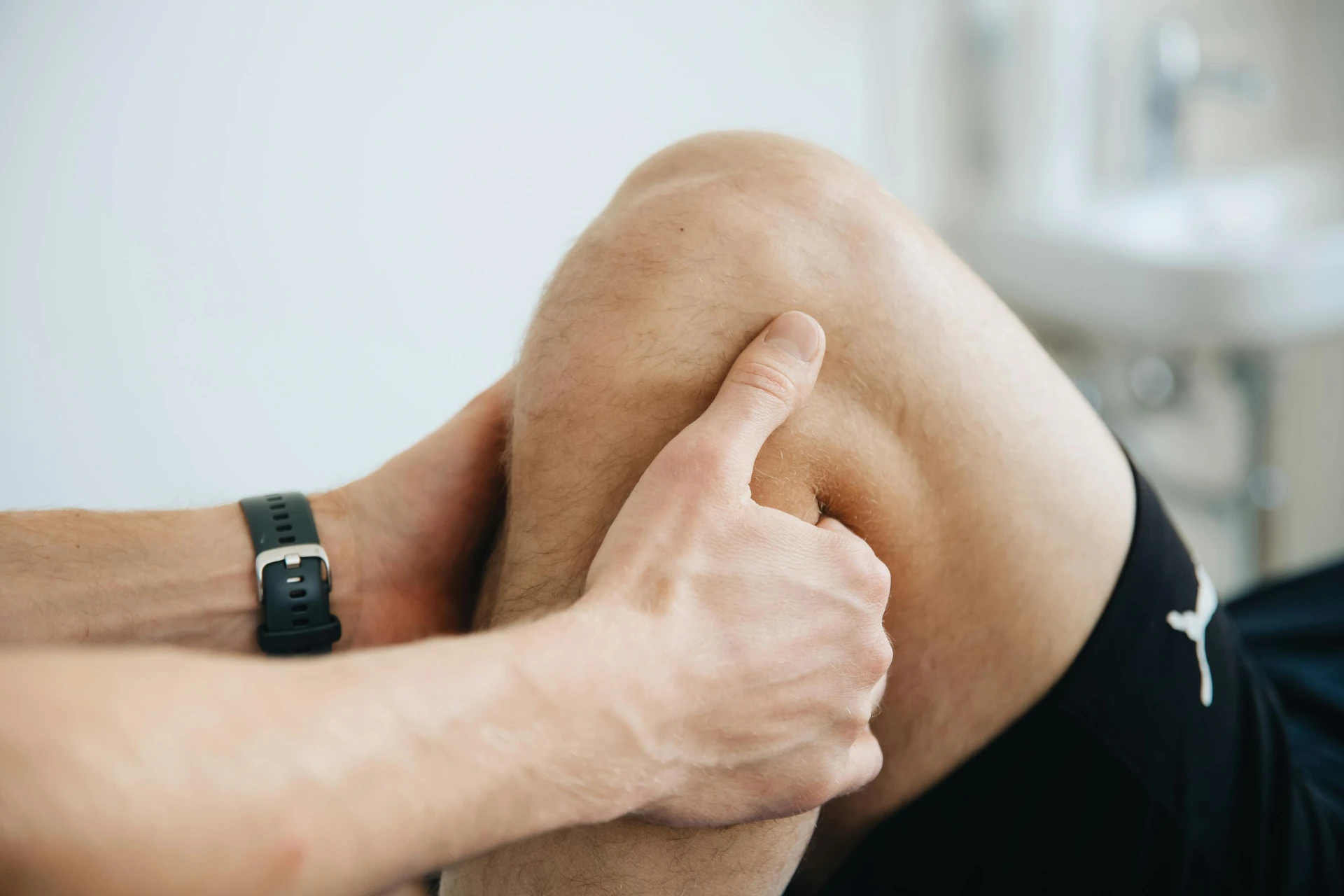
Image Caption: An orthopedic specialist assessing an athlete’s knee injury.
Orthopedic Surgeon providing complete orthopedic care from orthopedic surgery to SI joint injections
Pikes Peak Orthopedics
Pikes Peak Regional Hospital
Woodland Park, Colorado
Pikes Peak Orthopedics Clinic
Woodland Park, Colorado
Pikes Peak Orthopedics
CommonSpirit Penrose Hospital
Colorado Springs, Colorado
Pikes Peak Orthopedics
CommonSpirit St. Francis Hospital
Colorado Springs, Colorado
Pikes Peak Orthopedics
CommonSpirit Interquest Hospital
Colorado Springs, Colorado
Pikes Peak Orthopedics
Heart of the Rockies Regional Medical Center
Salida, Colorado
Web Design by Gilbert Web Design Copyright 2025 all rights reserved
SEO by Red Jumper Copyright 2025 all rights reserved