
Pikes Peak Orthopedics
Blog
3-05-2025
Orthopedic doctors specialize in diagnosing and treating conditions affecting the musculoskeletal system, which includes your bones, joints, ligaments, tendons, and muscles. Whether you’re dealing with a sports injury, chronic pain, or a degenerative condition, knowing when to see an orthopedic doctor can make a significant difference in your recovery and overall quality of life.
In this article, we’ll explore the key signs that indicate it’s time to consult an orthopedic specialist and how timely care can help you get back to living pain-free.
Pain is your body’s way of signaling that something is wrong. If you experience persistent pain in your joints, muscles, or bones that lasts for more than a few days, it’s time to see an orthopedic doctor.
Ignoring persistent pain can lead to further damage and complications. An orthopedic doctor can diagnose the underlying cause and recommend appropriate treatment.
If you’re having difficulty performing everyday activities like walking, climbing stairs, or lifting objects due to stiffness or pain, it’s a sign that you should consult an orthopedic specialist.
Limited mobility can significantly impact your quality of life. Early intervention can help restore function and prevent further deterioration.
Swelling, redness, or warmth around a joint can indicate inflammation or infection. If these symptoms persist, seek medical attention.
Untreated inflammation can lead to permanent joint damage. An orthopedic doctor can provide treatments to reduce swelling and address the root cause.
Numbness or tingling in your arms, legs, hands, or feet can be a sign of nerve compression or damage.
Nerve issues can worsen over time if left untreated. An orthopedic specialist can diagnose the problem and recommend therapies to relieve symptoms.
If you’ve recently experienced a fall, sports injury, or accident and are experiencing pain, swelling, or difficulty moving, it’s important to see an orthopedic doctor.
Prompt treatment of injuries can prevent long-term complications and ensure proper healing.
If you have a chronic condition like arthritis, osteoporosis, or scoliosis, regular visits to an orthopedic doctor can help manage symptoms and prevent progression.
Chronic conditions require ongoing care to maintain mobility and quality of life. An orthopedic specialist can create a personalized treatment plan.
If you notice a visible deformity in your bones or joints, such as a misaligned limb or an unusual lump, it’s time to see an orthopedic doctor.
Visible deformities can indicate serious underlying issues that require immediate attention.
To make the most of your appointment with an orthopedic doctor, come prepared with the following:
Knowing when to see an orthopedic doctor can help you address musculoskeletal issues before they worsen. Whether you’re dealing with persistent pain, limited mobility, or a recent injury, timely care can make all the difference in your recovery.
If you’re experiencing any of the signs mentioned above, don’t wait to seek help. Schedule a consultation with an orthopedic specialist today and take the first step toward a pain-free, active life.
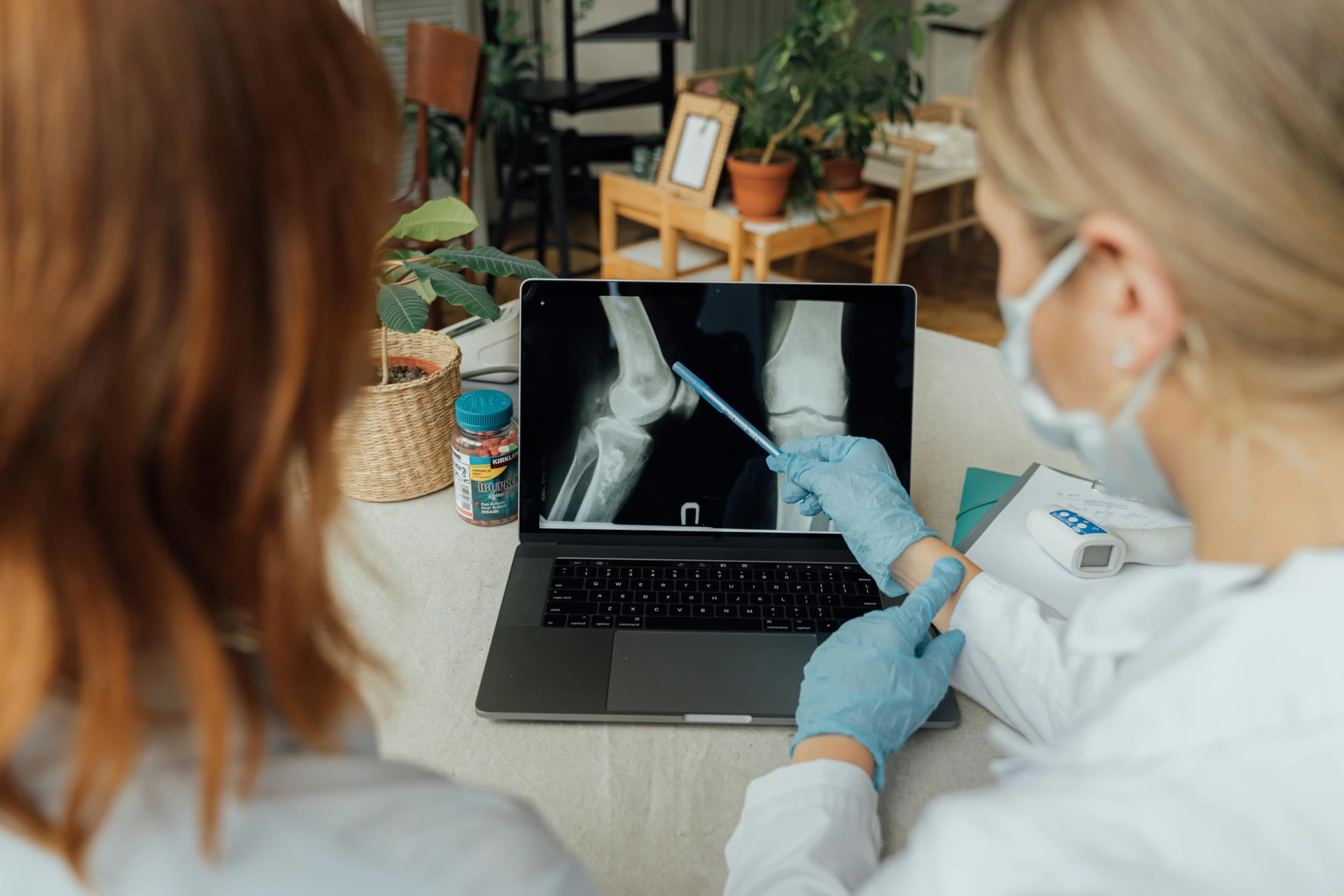
Image Caption: An orthopedic doctor discussing treatment options with a patient.

Orthopedic Surgeon providing complete orthopedic care from orthopedic surgery to SI joint injections
Pikes Peak Orthopedics
Pikes Peak Regional Hospital
Woodland Park, Colorado
Pikes Peak Orthopedics Clinic
Woodland Park, Colorado
Pikes Peak Orthopedics
CommonSpirit Penrose Hospital
Colorado Springs, Colorado
Pikes Peak Orthopedics
CommonSpirit St. Francis Hospital
Colorado Springs, Colorado
Pikes Peak Orthopedics
CommonSpirit Interquest Hospital
Colorado Springs, Colorado
Pikes Peak Orthopedics
Heart of the Rockies Regional Medical Center
Salida, Colorado
Web Design by Gilbert Web Design Copyright 2025 all rights reserved
SEO by Red Jumper Copyright 2025 all rights reserved