
Dr Michael G Messner DO
Orthopedic Surgeon
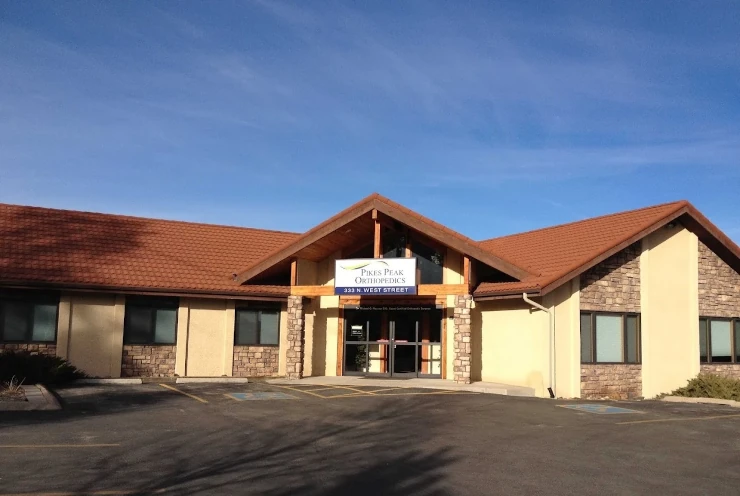
Welcome to Pikes Peak Orthopedics, your trusted partner in orthopedic care in Colorado. With locations in Colorado Springs, Woodland Park, and Salida, our team of experienced orthopedic surgeons specializes in diagnosing and treating shoulder conditions that may require surgical intervention. This comprehensive guide aims to provide you with detailed information about shoulder surgery, addressing common questions and concerns you may have when contemplating this important decision.
Shoulder surgery encompasses a range of procedures designed to alleviate pain, restore function, and improve the quality of life for patients suffering from various shoulder conditions. These surgeries can address issues such as rotator cuff tears, shoulder instability, arthritis, fractures, and more. At Pikes Peak Orthopedics, our surgeons utilize the latest techniques and technologies to ensure the best possible outcomes for our patients.
Rotator Cuff Repair: This procedure is performed to repair a torn rotator cuff, which is a group of muscles and tendons that stabilize the shoulder joint. The surgery can be done arthroscopically (minimally invasive) or through an open incision, depending on the severity of the tear.
Shoulder Arthroscopy: A minimally invasive procedure that uses a small camera (arthroscope) to diagnose and treat various shoulder conditions. It is commonly used for conditions such as labral tears, impingement syndrome, and loose body removal.
Shoulder Replacement (Arthroplasty): This surgery involves replacing the damaged parts of the shoulder joint with artificial components. It is typically recommended for patients with severe arthritis or significant joint damage.
AC Joint Reconstruction: This procedure addresses injuries to the acromioclavicular (AC) joint, which connects the collarbone to the shoulder blade. It is often performed for patients with severe AC joint separations.
Fracture Repair: Surgery may be necessary to realign and stabilize broken bones in the shoulder, such as the humerus, clavicle, or scapula.
Capsular Release: This procedure is performed to treat frozen shoulder (adhesive capsulitis) by releasing the tight capsule surrounding the shoulder joint.
Shoulder surgery is typically considered when conservative treatments, such as physical therapy, medications, and injections, have failed to provide relief. Your orthopedic surgeon will evaluate your condition, including the severity of your symptoms, the impact on your daily activities, and the results of imaging studies, to determine if surgery is the best option.
As with any surgical procedure, shoulder surgery carries some risks, including infection, bleeding, blood clots, nerve damage, and complications related to anesthesia. However, these risks are relatively low, and your surgeon will take all necessary precautions to minimize them. It's important to discuss any concerns with your surgeon before the procedure.
Recovery time varies depending on the type of surgery performed and the individual patient. Generally, patients can expect to wear a sling for several weeks and undergo physical therapy to regain strength and mobility. Full recovery can take anywhere from a few months to a year, depending on the complexity of the surgery and the patient's adherence to post-operative care instructions.
Yes, physical therapy is a crucial component of the recovery process. It helps restore range of motion, strengthen the shoulder muscles, and prevent stiffness. Your surgeon will provide a customized rehabilitation plan tailored to your specific needs and goals.
After surgery, you may experience some pain and discomfort, which can be managed with prescribed medications. It's important to follow your surgeon's instructions regarding wound care, activity restrictions, and physical therapy. Most patients can resume light activities within a few weeks, but strenuous activities should be avoided until cleared by your surgeon.
The success rate of shoulder surgery depends on the type of procedure, the patient's overall health, and adherence to post-operative care. In general, shoulder surgery has a high success rate, with most patients experiencing significant pain relief and improved function. Your surgeon will discuss the expected outcomes based on your specific condition.
When choosing an orthopedic surgeon, it's important to consider their experience, expertise, and reputation. Look for a surgeon who specializes in shoulder surgery and has a track record of successful outcomes. At Pikes Peak Orthopedics, our surgeons are highly skilled and dedicated to providing the highest level of care to our patients.
Before your surgery, you will have a pre-operative consultation with your surgeon. During this visit, your surgeon will review your medical history, perform a physical examination, and discuss the surgical plan. You may also undergo additional imaging studies, such as X-rays or MRI, to further evaluate your condition.
Your surgeon will provide specific instructions to prepare for surgery, which may include:
On the day of surgery, you will be admitted to the surgical center or hospital. The surgical team will prepare you for the procedure, which may include administering anesthesia. The surgery itself typically takes a few hours, depending on the complexity. After the surgery, you will be monitored in the recovery room before being discharged or transferred to a hospital room.
After surgery, you will be given specific instructions for wound care, pain management, and activity restrictions. It's important to follow these instructions closely to ensure a smooth recovery. You may be prescribed pain medications and antibiotics to prevent infection.
Physical therapy is a critical part of the recovery process. Your therapist will guide you through exercises to restore range of motion, strengthen the shoulder muscles, and improve function. The duration and intensity of therapy will vary depending on the type of surgery and your progress.
Most patients can resume light activities within a few weeks, but it may take several months to return to more strenuous activities, such as sports or heavy lifting. Your surgeon will provide guidance on when it is safe to resume specific activities based on your recovery progress.


At Pikes Peak Orthopedics, our surgeons have extensive experience in performing shoulder surgeries. We stay up-to-date with the latest advancements in orthopedic care to provide our patients with the best possible outcomes.
We offer a full range of services, from diagnosis and conservative treatment to surgical intervention and rehabilitation. Our team works closely with you to develop a personalized treatment plan that meets your unique needs and goals.
With locations in Colorado Springs, Woodland Park, and Salida, we are committed to providing accessible and convenient care to patients throughout Colorado. Our state-of-the-art facilities are equipped with the latest technology to ensure the highest standard of care.
At Pikes Peak Orthopedics, we prioritize your comfort and well-being. Our friendly and knowledgeable staff is here to support you every step of the way, from your initial consultation through your recovery.
Shoulder surgery can be a life-changing decision, and at Pikes Peak Orthopedics, we are dedicated to helping you achieve the best possible outcome. Whether you are dealing with a rotator cuff tear, shoulder instability, or arthritis, our team of expert orthopedic surgeons is here to provide the care and support you need. If you have any questions or would like to schedule a consultation, please contact us today. Let us help you get back to living your life to the fullest.

Orthopedic Surgeon providing complete orthopedic care from orthopedic surgery to SI joint injections
Pikes Peak Orthopedics
Pikes Peak Regional Hospital
Woodland Park, Colorado
Pikes Peak Orthopedics Clinic
Woodland Park, Colorado
Pikes Peak Orthopedics
CommonSpirit Penrose Hospital
Colorado Springs, Colorado
Pikes Peak Orthopedics
CommonSpirit St. Francis Hospital
Colorado Springs, Colorado
Pikes Peak Orthopedics
CommonSpirit Interquest Hospital
Colorado Springs, Colorado
Pikes Peak Orthopedics
Heart of the Rockies Regional Medical Center
Salida, Colorado
Web Design by Gilbert Web Design Copyright 2025 all rights reserved
SEO by Red Jumper Copyright 2025 all rights reserved